

Who Qualifies as an Elder–According to Scripture

Here's a great reason to have Hope in Christ today!
Who Qualifies as an Elder?
“This saying is trustworthy: ‘If anyone aspires to be an overseer, he desires a noble work.’ An overseer, therefore, must be above reproach, the husband of one wife, self-controlled, sensible, respectable, hospitable, able to teach… not greedy for money, but gentle, not quarrelsome, not a lover of money… He must manage his own household competently… He must not be a new convert… Furthermore, he must have a good reputation among outsiders…” 1 Timothy 3:1–7 (HCSB)
People are often drawn to titles. Words like prophet and apostle carry weight and authority, and there is a natural pull toward roles that sound elevated or significant. But Scripture consistently corrects that instinct. It does not call men to pursue titles – it calls them to meet qualifications. And the roles it establishes are not self-assigned or culturally shaped; they are defined clearly and carefully by God in the Scriptures.
When the New Testament describes leadership in the church, it points to elders – also called overseers or pastors. These are not positions of status but of responsibility. The defining mark is not influence, personality, or ambition, but character. “Above reproach” becomes the controlling idea, worked out in faithfulness, self-control, sound judgment, and a life that holds together both in the home and before the watching world. A man does not step into this role just because he wants it; his life already reflects it and the church recognizes it.
The pattern is simple and scriptural: an internal desire, a life that meets the qualifications, and recognition by the church. “If anyone aspires…” speaks to the inner pull, but Scripture immediately anchors that desire in observable character. The lists in 1 Timothy 3 and Titus 1 are not ideals – they are requirements. And passages like Acts 13:2–3 show that men are set apart by the church, not self-appointed. This protects the process. A man does not validate his own call; it is tested over time and affirmed by others who see his life up close. That recognition is not governed by the whims, preferences, or personal opinions of others, but by the objective standard of Scripture itself. Further, “Above reproach” is not defined by popularity or criticism, but by whether a man’s life aligns with what God has clearly said.
The Bible guards us from two common errors. Antinomianism treats desire or gifting as enough, as if grace removes the need for qualification. Legalism goes the other direction, turning the call into a rigid formula or demanding a certain personality type Scripture never requires. The biblical approach avoids both. The question is not whether a man feels called, nor whether he fits a preferred mold, but whether his life is being conformed to Christ in a way that aligns with what Scripture actually says. Justification before God is not tied to office, role, or recognition. A man is not made right with God by becoming an elder, nor is he more accepted because he leads. That standing is grounded entirely in Christ. The office of elder, then, is not about earning favor but about meeting a visible, biblical standard for serving the church. It is a stewardship, not a status.
Scripture guides us to think rightly about other titles people are often eager to claim. The apostles and prophets served a foundational role in the early church, tied directly to revelation and the establishing of the church’s doctrinal foundation. That role is not something men take up or recreate. And more importantly, what those roles pointed toward is fulfilled completely in Christ. Jesus is the believer’s Prophet, perfectly revealing God. He is the great High Priest, offering Himself once for all. He is the reigning King, exercising all authority. What many seek to assume in title is already fully realized in Him.
This brings clarity and protection to the church. We are not left to invent leadership structures or elevate personalities. We are given clear, scriptural categories. Elders are to be recognized, not self-declared. Their authority flows from alignment with the Word and a life shaped by it. And Christ remains central – not shared, not supplemented, not rivaled.
In this way, the church is kept grounded and balanced. Titles lose their appeal when Christ is rightly seen. And leadership becomes what God intended – a reflection of His character, not a platform for human recognition.
The same balance applies when we think about personal wiring and weaknesses. A man may be scattered by nature, even struggle with focus or consistency, and still genuinely desire to serve. That does not disqualify him automatically. At the same time, it does not excuse a lack of order or self-control. Scripture guards us from antinomianism – lowering the standard (or ignoring sin) because of grace – and from legalism – demanding a personality type Scripture never requires. The question is not whether a man has natural limitations, but whether his life is being brought under the rule of Christ in a way that others can clearly see. Even weaknesses must be shepherded. Even tendencies must be submitted. The standard remains “above reproach,” but that standard is measured by Spirit-shaped character, not a flawless temperament.
Pray about it!
Father, anchor us in what You have spoken. We need biblical leadership. Guard us from elevating what You have not established, and help us to recognize and honor what You have clearly defined. Keep Christ at the center of Your church, and shape our lives according to Your Word. We ask this in Jesus’ name, for He is our Prophet, Priest, and King. Amen.
There is a great reason to have hope in Christ today!
Jesus came to "set the captives free," by the Truth.
Do you know Jesus yet?
Pray and ask Him to deliver you! He will.
email: mike@trainandtell.org
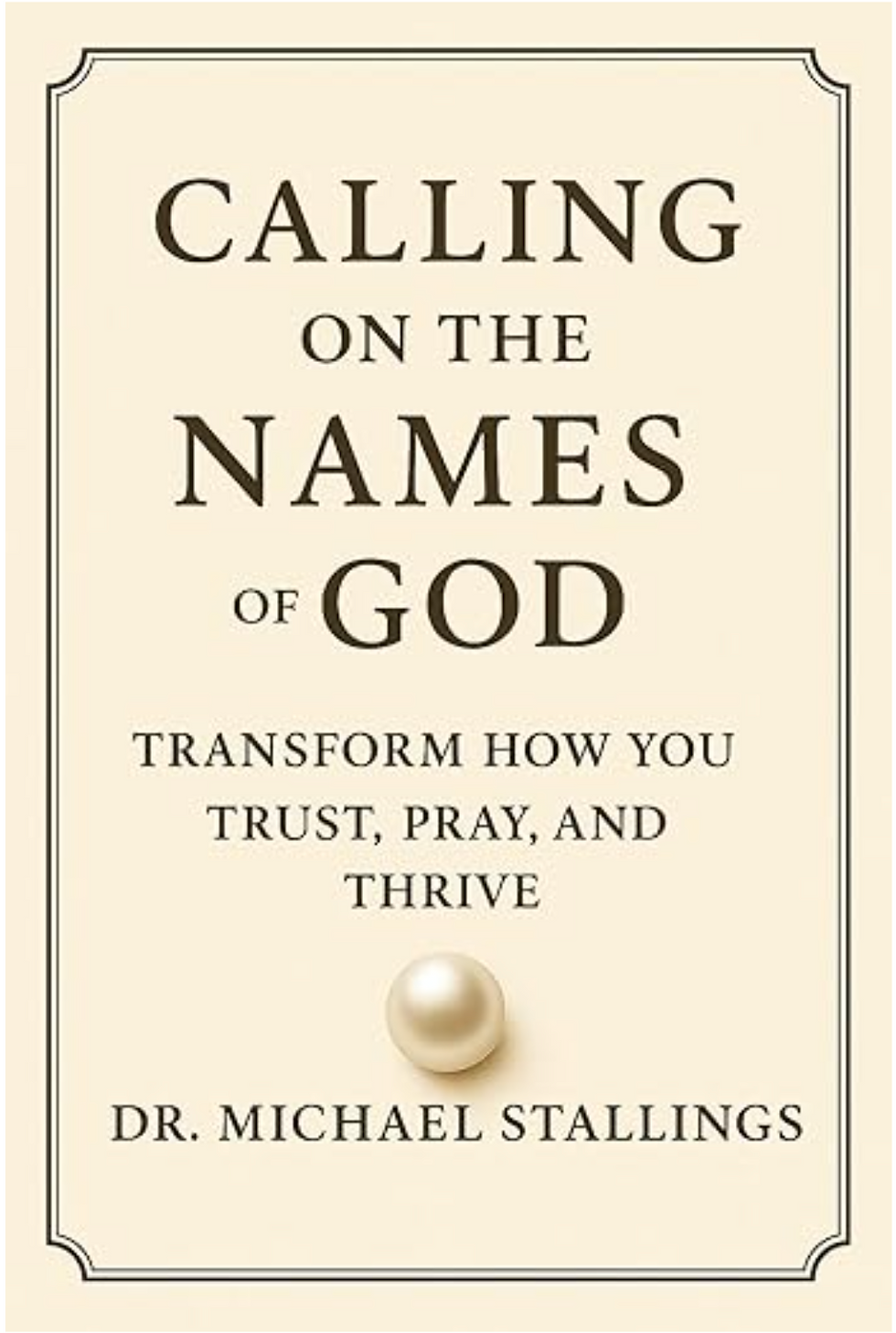
God bless you as you continue to grow in your walk with Him! Psalm 9:10 states, "Those who know your name trust in you because you have not abandoned those who seek you, Yahweh." Augment your faith with the book people are using to transform their walk with Christ everyday. Click the cover and discover how God transforms those who know His Name and the names that describe His attributes, character and majesty. Just click the cover to begin a 30 day devotional journey that will humble and lift you to a deeper walk with Christ Jesus. Just click the Cover. Available in Kindle, paperback and Audible and other retailers offering ebooks.
#TrainAndTell #EvangelismTraining #DiscipleshipMatters #GreatCommission #ShareYourFaith #MakeDisciples #FaithInAction #GospelCentered #MinistryTools #ChristianLeadership #BiblicalTeaching #ChurchTraining #FaithEquipped #GoAndTell #KingdomMission #JesusSaves #EquipTheSaints #PersonalEvangelism #WitnessWell #TrainToTell